Bending stainless steel is an essential operation in industrial sheet metal work, but also one of the most demanding. Unlike mild steel or aluminum, stainless steel has specific mechanical characteristics that complicate its shaping: high elasticity, significant springback, and sensitivity to visual defects.
Mastering the bending stainless steel This not only improves the quality of the parts produced, but also reduces waste and optimizes workshop productivity. Here's everything you need to know to ensure the success of your operations.
Why is stainless steel more difficult to bend?
Stainless steel has mechanical properties that make it more complex to work with than other metals.
A strong elastic rebound
One of the main challenges is springback. After bending, stainless steel tends to partially return to its original shape.
Result :
- Less precise bend angle
- Need to overcompensate when folding
High resistance
Stainless steel is harder than standard steel. This means:
- Greater bending forces
- Faster tool wear
A sensitivity to brands
Visual appeal is often critical, particularly in the following sectors:
- Eating
- Medical
- Architecture
The slightest defect (scratch, tool mark) can render the part unusable.
The main challenges of bending stainless steel
Angle accuracy
Elastic rebound makes it difficult to obtain precise angles, especially in repetitive sets.
Crack management
A bend radius that is too small can cause:
- Microcracks
- Weakening of the part
Surface deformation
Stainless steel surfaces can:
- Mark yourself easily
- To have irregular folds
What settings should be used to bend stainless steel effectively?
To successfully bend stainless steel, it is essential to correctly adjust the machine parameters.
Adjust the bending radius
General rule:
- Inner radius ≥ 1 to 1.5 times the sheet metal thickness
- A radius that is too tight increases the risk of cracking.
Adjust the bending force
Stainless steel requires higher pressure than mild steel.
To be expected:
- A sufficiently powerful press brake
- A check of the tonnage required according to the thickness
Overcompensate for elastic return
To obtain the desired angle:
- You need to bend it beyond the target angle
- Then let the stainless steel return slightly
Example :
- Target: 90°
- Actual bend angle: 85°–88°
Choosing the correct matrix opening
A matrix that is too narrow can:
- Mark the room
- Increase the constraints
Recommendation :
- Matrix opening = 6 to 10 times the thickness
What tools should be used to bend stainless steel?
The choice of tools is crucial for the final quality.
polished or treated tools
To avoid marks:
- Use mirror-polished tools
- Or with scratch-resistant treatment
Tools suitable for stainless steel
Stainless steel wears out standard tools more quickly. It is recommended to opt for:
- Hardened steels
- High-strength, specialized tools
Surface protection
Possible solutions:
- Protective plastic films
- Dividers (PVC, paper)
Good practices in the workshop
Respect the direction of rolling
The folding should ideally be done:
- Perpendicular to the direction of rolling
- This reduces the risk of cracking.
Lubrication
Using a lubricant can:
- Reduce friction
- Improve the quality of the fold
Preliminary tests
Before production:
- Conduct tests
- Adjust the settings
Essential for critical parts
Program the machine correctly
On a CNC press brake:
- Program the angles with compensation
- Incorporate the characteristics of stainless steel
Mistakes to absolutely avoid
Underestimating the elastic return
This results in:
- Non-compliant angles
- Expensive alterations
Using unsuitable tools
Consequences :
- Visible marks
- Premature wear
Choosing a radius that is too small
Risk :
- Cracks
- Rejected items
Neglecting surface quality
In some sectors, aesthetics are as important as precision.
Stainless steel bending: press brake or apron brake?
The choice of machine plays an important role.
Press brake
Ideal for:
- complex parts
- Mass production
Benefits :
- Precision
- Versatility
Apron folder
Recommended for:
- Thin sheets
- Visible parts
Benefits :
- Less marking
- Better aesthetic result
The solutions offered by manufacturers such as Schröder Or Yawei are particularly suited to the requirements of stainless steel bending, especially for applications requiring a perfect finish.
Discover our range of press brakes high-performance stainless steel bending machines from Garant Machinerie.
How to improve productivity in stainless steel bending?
Standardize the settings
Create databases by:
- Thickness
- Type of stainless steel
Train the operators
A good setting often depends on field experience.
Investing in suitable machines
Modern machines allow:
- Automatic compensation
- Error reduction
Key points to remember about bending stainless steel
Bending stainless steel requires rigor, precision, and expertise. Between springback, the risk of cracking, and aesthetic requirements, every parameter must be controlled.
By adopting the right settings, choosing suitable tools and applying good workshop practices, it is possible to obtain reliable and reproducible results.
For sheet metal companies, optimizing stainless steel bending represents a real performance lever: less waste, better quality and time savings in production.
Industrial shears are essential equipment in metalworking shops. Used to quickly and precisely cut sheet metal, they produce clean cuts without deforming the material. Whether in the metallurgy, mechanical manufacturing, or sheet metal industries, choosing the right shears can directly impact productivity and the quality of the parts produced.
In this article, we explain how to choose a industrial shears tailored to your needs, the different types of machines available as well as the essential criteria to consider before investing.
What is an industrial shear?
An industrial metal shear is a machine designed to cut sheet metal using a moving upper blade and a fixed lower blade. This cutting principle, called shearing, allows the metal to be separated cleanly without producing chips.
Shears are used to cut different materials:
- mild steel
- stainless steel
- aluminum
- copper
- galvanized steel
They are very present in the following sectors:
- industrial sheet metal workshops
- manufacturing of metal parts
- metal construction
- manufacturing of industrial equipment
Thanks to their speed and precision, shears allow parts to be prepared before bending operations on a press brake, welding or assembly.
The main types of industrial shears
There are several types of shears used in the metal processing industry. The choice depends mainly on the thickness of the sheet metal to be cut, the production volume, and the level of precision required.
The hydraulic guillotine shear
The hydraulic guillotine shear is one of the most common machines in industrial workshops. It operates using a hydraulic system that drives the upper blade.
Its advantages:
- large cutting capacity
- precise and regular cut
- robust and durable machine
- ideal for intensive production
This type of shear is particularly suited to cutting thick sheets and demanding industrial environments.
The swing beam shear
The oscillating beam shear is often used for thinner materials or medium production volumes.
Its characteristics:
- simpler mechanics
- low maintenance
- Good accuracy for thin to medium-thin sheets
- investment cost generally lower
It represents an excellent solution for sheet metal workshops looking for good value for money.
The CNC shear
THE CNC shears are equipped with a digital control system allowing precise programming of the cuts.
They offer several advantages:
- automatic parameter adjustment
- constant precision
- time saving for repetitive sets
- reduction of human error
These machines are particularly interesting for companies that want to automate their production and improve their efficiency.
The essential criteria for choosing shears
Choosing an industrial shear isn't just about the machine's power. Several criteria must be analyzed to select equipment perfectly suited to your production needs.
The maximum cutting thickness
One of the first things to consider is the maximum thickness of sheet metal that the shear can cut.
Each machine has a specific capacity, for example:
- 4 mm
- 6 mm
- 10 mm
- 13 mm or more
It is recommended to choose shears with a capacity slightly greater than your usual needs in order to maintain a safety margin.
The cutting length
The cutting length corresponds to the maximum width of the metal sheet that the machine can cut.
The most common lengths are:
- 500 mm
- 3000 mm
- 3200 mm
- 4000 mm
Workshops working with standard sheet metal formats generally prefer shears of 3000 mm or more.
The rear stop system
The backstop allows for precise positioning of the sheet metal before cutting. On modern machines, it may be:
- motorized
- programmable
- CNC controlled
A high-performance backstop significantly improves cut repeatability and productivity.
Adjusting the cutting angle
Some shears allow you to adjust the cutting angle according to the material and its thickness.
This setting offers several advantages:
- reduction of cutting effort
- reduction of deformations
- better cutting quality
The quality of the blades
Shear blades play a crucial role in the quality of the cut. High-quality blades offer:
- a better lifespan
- cleaner cuts
- fewer blunders
It is also important to check that the blades are reversible or easily replaceable.
Why invest in a quality pair of shears?
In a metalworking shop, shears are often used upstream of many operations. A high-performance machine therefore improves the entire production process.
Improve productivity
An efficient shear allows for quick cutting of sheet metal while reducing handling time. This translates into a significant increase in productivity, especially for mass production.
Reduce material losses
A precise cut limits errors and material waste. The resulting parts are more uniform and require less rework.
Ensuring consistent quality
Modern machines make it possible to obtain clean, straight and repeatable cuts, which is essential for parts intended for bending or assembly.
Improving operator safety
Modern industrial shears incorporate several safety features:
- frontal protectors
- intangible barriers
- ergonomic controls
- emergency stop systems
This equipment helps to reduce the risk of accidents in the workshop.
Finding the right shears for your workshop
Choosing a pair of shears depends on many factors:
- the type of materials worked
- the thickness of the sheet metal
- production volume
- the desired level of automation
For sheet metal or metal fabrication companies, choosing a reliable, precise, and durable machine is essential. Discover all the equipment available on Garant Machinery to equip your workshop effectively.
In the industry of metal transformation, the choice of a industrial press brake is a strategic decision. Two major technologies dominate the market: the hydraulic press brake and the CNC press brake (CNC control). Although they may seem similar at first glance, their differences in terms of precision, productivity, automation and operating cost can have a major impact on the performance of a workshop.
Discover all the CNC and hydraulic press solutions offered by Garant Machinery.
This article offers a comprehensive comparison to help manufacturers, sheet metal companies and industrial workshops to choose the solution best suited to their needs.
What is a hydraulic press brake?
The hydraulic press brake is the historical technology in sheet metal bending. It operates using hydraulic cylinders that exert controlled pressure on the metal workpiece to create the desired bend.
Main features
- Hydraulic oil-based pressure system
- Manual or semi-automatic control
- Significant mechanical robustness
- Suitable for thick metal
- Relatively simple mechanical maintenance
Benefits
- High power: ideal for thick or heavy parts.
- Durability: Hydraulic machines are known for their longevity.
- Lower initial cost than some high-end CNC machines.
- Versatility on short or varied series.
Disadvantages
- Limited accuracy compared to advanced digital systems.
- Higher energy consumption.
- Regular maintenance related to oil circuits.
- Slower over long, repetitive sets.
What is a CNC press brake?
The CNC (Computer Numerical Control) press brake incorporates digital control that allows programming of bending angles, depth, speed, and repetition of operations. It can be hydraulic or electric, but what distinguishes it is its level of automation and precision.
Main features
- Touchscreen and software interface
- Programming folding sequences
- High repeatability
- Measurement sensors and automatic correction
- Possibility of robotic integration
Benefits
- Extreme precision on angles and tolerances.
- Increased productivity on large production runs.
- Reduction of human error.
- Optimizing setup times.
- Traceability and archiving of programs.
Disadvantages
- Higher purchase cost.
- Operator training required.
- Specialized electronic maintenance.
- Oversized for very small, simple productions.
Differences between hydraulic press brake and CNC
Accuracy and repeatability
- Hydraulics: Accuracy is highly dependent on the operator.
- CNC: consistent precision thanks to sensors and digital programming.
For parts requiring tight tolerances (aeronautics, electronics, automotive), CNC clearly has the advantage.
Productivity
- Hydraulics: Effective for short series and varied tasks.
- CNC: excellent for large series and continuous production.
A company that produces the same parts all week will benefit more from a CNC machine.
Adjustment time
- Hydraulics: longer manual adjustments.
- CNC: Program memorization, quick tool switching.
In a modern industrial context, the reduction of downtime is a major advantage of CNC.
Investment cost
- Hydraulics: more affordable to buy.
- CNC: higher investment but offset by productivity.
The choice therefore depends on the production volume and the long-term strategy.
Maintenance
- Hydraulics: mechanical maintenance and fluid management.
- CNC: electronic and software maintenance in addition to mechanical maintenance.
CNC machining requires more specialized technical support, but it can reduce costly errors.
Energy consumption
- Hydraulics: constant consumption.
- Electric CNC: often more energy efficient.
With a view to reducing operating costs, electric CNC can represent a financial advantage over several years.
What type of workshop for which machine?
Small workshop or sheet metal shop
A hydraulic press may be sufficient if:
- Volumes are low.
- The rooms are varied.
- The budget is limited.
- Extreme precision is not critical.
Medium-sized manufacturing industry
A hybrid CNC machine is often ideal if:
- The series are regular.
- Tolerances are important.
- Delivery times must be optimized.
Intensive industrial production
Advanced CNC machining is recommended if:
- The volumes are high.
- Errors must be minimized.
- Automation is a strategic objective.
- Robotic integration is being considered.
Impact on profitability
The initial cost of a CNC machine may seem prohibitive, but it needs to be analyzed:
- Waste reduction
- Reduction in training time
- Increased productivity
- Fewer human errors
- Better consistency in quality
Over 5 to 10 years, a CNC can become more profitable than hydraulics, especially in a sustained production environment.
Technological evolution and Industry 4.0
CNC press brakes integrate better into digital environments:
Traditional hydraulics remain reliable, but they are less compatible with smart production lines.
Which press brake brands should I choose?
Several manufacturers offer solutions tailored to the various production needs of metal processing. Among the brands offered at Garant Machinerie are:
Schröder CNC Folding Machines – renowned for their precision and automated bending centers.
Vimercati – Italian manufacturer specializing in high-performance hydraulic press brakes.
RICO – robust and customizable solutions for heavy industry.
Yawei Press Brakes – advanced CNC technologies and strong digital integration.
MECAMAQ – versatile machines for varied production workshops.
Yadon – industrial solutions adapted to large tonnage capacities.
Each manufacturer is distinguished by its level of’automation, its mechanical robustness, its folding precision and its technological positioning. The choice will depend on the production volume, the level of tolerance requirements, and the automation objectives of your workshop.
In summary: which one to choose?
| Criteria | Hydraulic Press | CNC Press |
|---|---|---|
| Precision | Average | High |
| Initial cost | Low to medium | Pupil |
| Productivity | Average | Very high |
| Maintenance | Mechanical | Electronics + mechanics |
| Energy | Higher | Optimized |
| Automation | Weak | Forte |
| Ideal for | Short series | Long series |
The verdict: CNC or hydraulic press brake?
The choice between a CNC press brake and a hydraulic press brake depends primarily on the production strategy, the volume of parts, and the level of precision required and available budget.
-
- Hydraulics: a robust, accessible solution suitable for multi-purpose workshops.
- CNC: a modern, precise and industrial performance-oriented solution.
In a context where competitiveness increasingly relies on quality, speed, and automation, the industrial CNC press brake It tends to become the benchmark for companies aiming for long-term growth. However, the hydraulic press remains highly relevant for organizations that prioritize flexibility and mechanical simplicity.
The metallurgical and manufacturing industry is constantly evolving. Advanced materials, particularly new metal alloys, are transforming how shops design, manufacture, and maintain their parts and equipment. Understanding the impact of these materials on your machine tools, plate rollers, CNC bending machines and other equipment is essential to optimize production, reduce costs and ensure the durability of your machines.
These materials offer new opportunities to improve the quality of metal parts and increase productivity, but they also require rethinking some traditional industrial practices.
What do we mean by advanced materials?
Key characteristics of advanced materials
Advanced materials encompass metals and alloys designed to offer superior performance compared to traditional materials. They are distinguished by:
- Increased mechanical resistance, allowing for the production of thinner parts without loss of strength.
- Improved corrosion resistance, essential for outdoor applications or in harsh industrial environments
- Increased lightness, which reduces the load on the machines and facilitates the handling of parts.
- Optimized thermal and electrical conductivity, useful in certain industrial processes
- Exceptional durability, even in extreme conditions
The main alloys used in the metallurgical industry
These materials include high-performance aluminum alloys, titanium-based alloys, special stainless steels, and shape-memory alloys. These metals are increasingly used in the automotive, aerospace, construction, and architectural metal projects, and even in industrial design and metal furniture.
The impact on your machines: what you need to know
The impact of new alloys on machine tools
Introducing new alloys into your workshop has direct consequences for your plate rolling machines, CNC bending machines, punch presses, and other industrial machinery. It is important to anticipate these impacts to avoid premature wear, production downtime, or part degradation.
These changes affect not only the machine itself, but also the way operators work and maintain their equipment.
Accelerated wear and tear of tools and suitable solutions
Advanced alloys often have superior hardness, which means that traditional tools wear out faster.
For example :
A standard plate rolling machine may have difficulty bending a reinforced aluminum alloy without precise pressure control.
Bandsaw blades or cutting discs dull more quickly when cutting high-strength stainless steels.
THE punches and dies They can also deteriorate faster if the metal being worked on is harder than the metal for which they were designed.
Solution : Use appropriate and reinforced tools, adjust cutting speed, pressure, and industrial lubrication, and prioritize tooling materials specifically designed for advanced alloys. Regular maintenance helps maintain precision and prevent production downtime.
Adjusting parameters on CNC rolling and bending machines
Some alloys, particularly those with low density or high elasticity, react differently to the forces applied by machines. This can lead to:
- Uneven curvature on plate rollers
- Creases or cracks during tube bending
- Deformation during stamping or punching
To offset these effects, it is essential to:
- Review the CNC machine programs
- Regularly calibrate manual equipment
- Adjust the parameters of hydraulic machines to precisely control the pressure
These adjustments not only ensure the quality of the formed parts, but also reduce the risk of tool breakage and scrap.
Safety issues related to high-performance alloys
Working with stronger or lighter alloys can alter the dynamics of machines:
- The springs and return mechanisms of CNC bending machines or presses can be subjected to additional stresses.
- The rotation speed of plate rollers or saws must be adjusted to avoid projections or vibrations.
- Handling lighter but more flexible parts requires increased control to avoid accidents.
Investing in appropriate safety devices, such as roller guards or saw covers, and training your operators on new materials, is essential to ensure a safe working environment.
How to optimize productivity with advanced materials
If the machines are not adapted to the new alloys, production can slow down and generate more waste. Conversely, a thorough understanding of the behavior of these materials allows for:
- To improve the accuracy of formed or cut parts
- To reduce the number of trials and errors
- To reduce wear and tear on industrial machinery and the frequency of maintenance
For example, using a specific lubricant for aluminum or titanium alloys can extend the life of plate rollers and facilitate the bending of metal plates. Regular machine testing also helps identify the optimal settings for each type of metal.
The importance of training and technical support
Operators and workshop managers must be informed of the specific characteristics of each alloy:
- Limits of resistance and elasticity
- Reaction to heat or applied forces
- Specific requirements for tools and lubricants
Machine suppliers, such as Garant Machinerie, offer technical advice and specialized training to adapt your equipment to advanced materials, ensuring precision, durability and safety in the workshop.
Furthermore, regular monitoring by qualified technicians can prevent premature wear and optimize long-term productivity.
Future developments in workshops in the face of new alloys
With the development of new alloys, workshops will gradually need to integrate:
- More efficient machines, capable of handling harder or lighter metals
- Sensors and automated control systems to adjust pressure and speed in real time
- Suitable machining solutions, such as modular or CNC rolling and bending machines
These innovations will not only increase the quality of the parts produced, but also reduce waste and energy costs. Workshops equipped for advanced materials will be better positioned to meet the needs of cutting-edge industries such as aerospace, automotive, and specialized metal construction.
Adapting to new alloys to remain competitive
Adopting advanced materials in metal production is essential to meet the demands of modern industries. Their use directly impacts your machine tools, plate rolling machines, CNC bending machines, and other equipment, and requires technical and operational adjustments.
By investing in:
- Suitable and durable tools
- Specialized training for your operators
- Preventive maintenance and technical support for your machines
...you guarantee not only the quality of the parts produced, but also the longevity and performance of your workshop.
At Garant Machinerie, we offer a complete range of industrial machinery adapted to advanced materials, including plate rollers, CNC bending machines and hydraulic presses, as well as consulting services, We offer training and maintenance services to help you get the most out of your equipment. Our experts will guide you in choosing the most suitable machine tools, optimizing settings, and performing preventative maintenance to ensure efficient and safe production.
Advanced metal alloys represent an opportunity to innovate, reduce structural weight, increase component durability, and improve competitiveness. Understanding their impact on your industrial machinery and leveraging Garant Machinerie's expertise is key to maintaining a high-performing, safe workshop ready to meet the challenges of modern industry.
The press brake is an essential tool for any metalworking shop, allowing for precise bends in both thin and thick sheet metal. However, common errors can compromise part quality, damage the machine, and endanger operators. In this article, discover the 5 most common press brake mistakes and how to avoid them to optimize your production.
To learn more about our press brakes of various brands
1. Press brake overload
Issue : One of the most common mistakes is exceeding the maximum capacity of the press brake. Each machine has a limit in terms of thickness, type of metal, and bend length.
Before going into the practical details, it's important to understand why overloading can be so problematic. Excessive pressure on the machine not only results in imperfect bends but can also cause irreversible damage to the press brake.
Consequences of overload:
- Sheet metal deformation
- Premature machine wear
- Risks of breakdown or accident
Practical solution:
- Always consult the manufacturer's manual to determine the maximum capacity.
- Make several light folds rather than one large, deep fold
- Consider a press brake suitable for thicker parts or parts made of harder metal.
2. Incorrect or neglected settings
Issue : Incorrect settings can cause uneven creases and damage the machine.
Before listing the points to check, it's important to understand that even a small error in the settings can have a significant impact on the accuracy of the bend and on workshop safety. Therefore, thorough preparation is essential.
Critical points to check:
- Incorrect bend angle
- Inadequate positioning of dies and punches
- CNC settings incorrectly configured
Consequences :
- Parts outside tolerance
- Scrap or material loss
- Premature wear of the press brake
Practical solutions:
- Calibrate the press before each production run
- Perform a test on a sample piece to verify the parameters
- Perform regular maintenance to maintain accuracy
3. Lack of operator training
Issue : Untrained operators can cause press brake errors and accidents.
Before moving on to concrete examples, let's remember that human competence is often the determining factor in the quality and safety of your operations. Even the best press brake cannot compensate for a lack of know-how.
Examples:
- Damage the machine or parts
- To produce irregular creases or burrs
- Compromising workshop safety
Practical solutions:
- Organize regular training sessions for your operators
- Provide internal guides and tutorials
- Encourage CNC machine user certification
4. Neglecting workshop safety
Issue : The press brake can be dangerous if safety measures are ignored.
Before detailing the risks, it is essential to emphasize that safety should never be compromised, even to save time. A simple precaution can prevent serious injuries and costly production downtime.
Common risks:
- Lack of protective devices (guardrails, emergency stop button)
- Incorrect hand or finger positioning
- Lack of knowledge of safety procedures
Practical solutions:
- Always use the provided protective equipment.
- Check the safety devices regularly
- Report and correct risky behaviors in the workshop
5. Neglecting regular maintenance
Issue : A poorly maintained machine can cause frequent and costly press brake problems.
Before listing maintenance tasks, it's important to understand that even small, regular checks can prevent major problems. Preventive maintenance is key to keeping your press brake reliable and durable.
Consequences :
- Loss of precision in the folds
- Unexpected breakdowns and costly repairs
- Reduced lifespan of the press brake
Practical solutions:
- Regularly grease the moving parts
- Check the hydraulic seals and critical components
- Calibrate the press periodically to maintain accuracy
The different types of press brakes
There are several types of press brakes, each suited to specific needs depending on the sheet metal thickness, the required precision, and the type of production. Understanding the differences allows for better use of the machine and helps avoid common workshop errors.
Hydraulic press brake
The hydraulic press brake is the most common in industrial workshops. It uses a hydraulic system to bend sheet metal, allowing it to handle significant thicknesses and stronger metals.
Benefits : Large bending capacity, constant power, suitable for thick sheet metal
Things to watch out for: Overload, precise adjustments needed to avoid incorrect creases
To see an example of this type of machine, you can consult our hydraulic press brakes.
Electric press brake
There electric press brake It uses electric motors to perform the bending, generally offering greater speed and reduced energy consumption. It is ideal for medium to long production runs with thin to medium-thickness sheet metal.
Benefits : precision, speed, less hydraulic maintenance
Things to watch out for: CNC programming and bending parameters to avoid press brake problems
You can discover the electric folding machines available at Garant Machinerie
Digital Apron Press Brake
Digital apron folding machines combine hydraulic power with digital control of stroke and bend angle. They allow a complex and precise folding, ideal for modernized workshops that produce custom-made parts.
Benefits : High precision, easy programming, suitable for custom production
Things to watch out for: Operator training and regular calibration to avoid errors
For more information, see our digital apron folding machines
Manual (or mechanical) press brake
The manual press brake is less common in heavy industry, but still used for the workshops small in size or prototypes. It requires manual handling to bend the sheet metal.
Benefits : low cost, simple to use
Things to watch out for: operator overload and safety
Final tips
Avoiding these press brake errors helps ensure:
- Consistent quality of parts
- Operator safety
- The machine's longevity and reliability
By implementing strict setup, training and maintenance procedures, you maximize your productivity and reduce press brake problems.
Optimize your workshop with Garant Machinerie
At Garant Machinerie, we offer high-performance, reliable press brakes suitable for all types of workshops.
Request a free quote today and discover how our experts can help you improve production and safety in your shop.
Bending metal tubes and profiles is an essential operation for metalworking workshops, whether for the automotive, metal construction, furniture, or boilermaking industries. To obtain precise and reproducible curves, it is not enough to have high-performance machines: you also need to master the settings, understand the behavior of the materials, identify common errors, and adopt appropriate solutions.
Machines used for bending
Garant Machinerie offers a wide range of metal machine tools adapted to all needs:
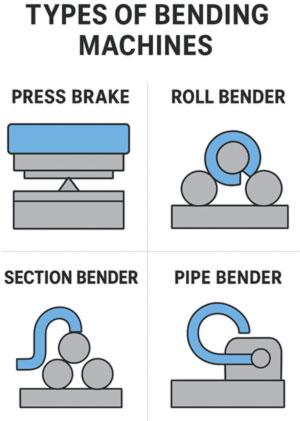
- Rolling machines with 3 or 4 rollers: perfect for bending thin tubes and profiles with medium to large bend radii.
- Robotic bending CNC machines: Ideal for repetitive series and complex shapes, they allow you to memorize programs and reproduce identical bends.
- Mechanical or hydraulic folders: suitable for square or rectangular profiles, they guarantee a precise angle while preserving the section.
Trick : Choose your machine based on the diameter, thickness and type of profile to be bent to maximize precision and durability.
Essential adjustments for a perfect bend
To achieve optimal results, it is crucial to master several parameters:
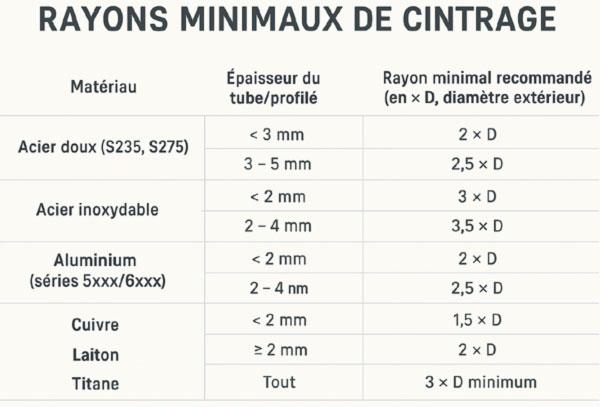
- Bending radius: proportional to the diameter and thickness of the tube to avoid folds and crushing.
- Lubrication: reduces friction and prevents cracks, especially on stainless steel, aluminum and sensitive alloys.
- Speed and pressure: adjusted according to the rigidity of the material and the complexity of the shape.
The use of CNC machines allows these parameters to be programmed and ensures error-free repetitive production, which is ideal for industrial workshops.
Materials and constraints
Each material has its own constraints
- Mild steel: tolerates tight radii and resists deformation well.
- Stainless steel and aluminum: require wider radii to avoid cracks and deformations.
- Square or rectangular profiles: require specific dies and counter punches to keep the section intact.
Trick : Testing a sample before mass production allows for fine-tuning and avoid costly defects.
Common mistakes and solutions
The most common mistakes in bending tubes and profiles include:
- Creases or crushes: often due to a spoke that is too tight or insufficient lubrication.
- Breaks or cracks: caused by excessive pressure or unsuitable material.
- Local deformations: linked to poor adjustment of the rollers or a lack of counter-support.
Solutions: Precise adjustment of machines, selection of suitable tools, correct lubrication and operator training. Regular maintenance of equipment also extends its lifespan and ensures consistent quality.
Case studies and industrial applications
Bending of tubes for metal railings and stairs: Roller rolling machines allow for regular radii and aesthetic finishes.
Profiles for automotive chassis: CNC machines ensure precision and repeatability, essential for quality control.
Manufacture of metal furniture: Hydraulic bending machines with specific tools guarantee perfect angles and avoid crushing square or rectangular profiles.
Why choose Garant Machinerie?
With our expertise and comprehensive range of bending, rolling, and CNC machines, we assist our customers in selecting the right machines, ensuring optimal setup, and providing operator training. Each machine is tested to ensure precision, reliability, and longevity.
Discover our profile bending machines And benders to optimize your bends.
Contact our experts for personalized advice: Request a quote.
FAQ – Bending tubes and profiles
Q1: What is the bending radius for a 50 mm diameter steel tube?
A: Generally, the radius should be at least 1.5 times the diameter to avoid creases or cracks.
Q2: Can all materials be bent with the same machine?
A: No. Rigid materials like stainless steel or aluminum require specific settings and sometimes adapted machines.
Q3: How to avoid deformations on square profiles?
A: Use suitable dies and counter punches, lubricate properly and respect the recommended minimum radius.
The metal band saw is an essential piece of equipment in metalworking, mechanical engineering, and industrial manufacturing workshops. It allows for precise, fast cuts suitable for a wide variety of materials. But with the wide range of models and technologies available on the market, how can you choose the machine that perfectly meets your needs? This comprehensive guide walks you through the essential criteria to consider before making your purchase.
- Understanding Cutting Capacity
Cutting capacity is the first criterion to consider. It corresponds to the maximum size of the pieces that the saw can cut, expressed in diameter for tubes and round bars, or in dimensions for square or rectangular profiles. It is crucial to choose a machine with a capacity slightly larger than the largest pieces you intend to work with, to ensure room for maneuver and comfort.
Don't neglect the maximum cutting thickness, especially if you're working with very dense or sturdy materials. Insufficient capacity will force you to make partial cuts or change machines frequently, which will hamper productivity.
- Cutting speed: an essential adjustment
Blade speed is a determining factor in cutting quality and machine lifespan. Each type of metal requires a specific speed for optimal cutting. For example, soft metals like aluminum require a higher speed, while hard or stainless steels require a slower speed to avoid overheating the blade.
Many modern band saws have variable speed adjustment systems, offering great versatility. This adjustment can be manual or electronic, with intuitive controls for easy handling.
- Choosing the blade: a key step
The quality of the blade directly affects the precision and finish of the cut. There are several types of blades suitable for different materials and uses. Bi-metal blades are very popular because they combine flexibility and strength, suitable for most common metals. For particularly hard or abrasive materials, carbide-tipped or coated blades are recommended.
The blade's teeth, expressed in teeth per inch (TPI), must also be chosen according to the type of work: fine teeth for precise and clean cuts, coarser teeth for fast and less delicate cutting.
- Precision and stability: guaranteeing quality work
A good bandsaw should provide precise blade guidance to ensure straight and consistent cuts. The guidance system can be roller or bearing, with simple adjustments to optimize alignment.
Machine stability is also crucial. A sturdy steel frame ensures that the machine does not move while cutting, improving accuracy and safety. Some saws, such as the Hydmech S20 bandsaw are equipped with anti-vibration devices, particularly appreciated for prolonged cutting.
- Ergonomics and ease of use
The saw's ergonomic design makes daily work easier and reduces operator fatigue. The controls should be intuitive and accessible, with simple clamping devices to firmly hold the workpieces to be cut.
The ability to tilt the cutting head or make miter cuts can be a significant advantage depending on your needs. These features increase the machine's versatility.
- Security: an essential aspect
Safety is paramount when using a bandsaw. Modern machines are equipped with built-in safeguards such as blade guards, easily accessible emergency stops, and automatic shutoff systems in case of a problem.
Compliance with current standards is a guarantee of safety for the user and must be checked before any purchase.
- Maintenance and durability
A well-maintained saw lasts longer and performs optimally. Choose models with simple maintenance: easy access to the blades, automatic or simple lubrication, and availability of spare parts.
A good after-sales service is also a criterion not to be neglected to guarantee the longevity of your investment.
Choosing a metal band saw should be carefully considered based on your specific needs: cutting capacity, speed adjustment, blade type, precision, ergonomics, safety, and maintenance. A well-suited machine will offer optimal performance, reliability, and improved productivity in your workshop.
Before finalizing your purchase, do not hesitate to seek advice from experts, who will be able to guide you towards the model best suited to your activity and your technical requirements.
In the world of manufacturing and machining, every workshop seeks to optimize its productivity and the quality of its products. machine tools play a vital role in this goal, and among them, theThe hydraulic press is a key partVersatile, powerful and suitable for a wide range of applications, the hydraulic press has become an essential piece of equipment in many industrial sectors. If you are still hesitant to invest in this equipment for your machine shop, this article presents the reasons why a hydraulic press can transform your operations.
What is a hydraulic press?
A hydraulic press is a machine that uses a hydraulic system to generate a strong and constant force, allowing materials to be precisely deformed, assembled or cut. This system relies on the Pascal's principle, which states that the pressure exerted on an incompressible fluid is transmitted uniformly in all directions.
Hydraulic presses are designed for a variety of applications, including molding, stamping, bending, straightening, and forming materials. Available in a variety of models and capacities, they adapt to the specific needs of each industry.
The advantages of a hydraulic press in a workshop
a. Exceptional power
One of the main advantages of hydraulic presses is their ability to generate considerable force. Unlike mechanical presses, which depend on the configuration and size of their components, hydraulic presses can apply uniform pressure throughout the work cycle. This power makes them ideal for working with thick or difficult-to-handle materials, such as steel, aluminum, or composites.
b. Versatility
Hydraulic presses are incredibly versatile. They can be configured to meet a multitude of needs, whether for forming, assembly, or compression. Their flexibility allows them to be used in various industries, such as automotive, aerospace, metal construction, and the energy industry.
c. Precision and control
Hydraulic systems provide precise control of force, speed, and position. This feature is particularly useful for operations that require perfect repeatability and millimeter accuracy, such as molding complex parts or bending thin sheet metal.
d. Reduced maintenance cost
Compared to other types of presses, hydraulic presses are relatively easy to maintain. Their system relies on fewer moving mechanical parts, reducing the risk of wear and tear and reducing maintenance costs. In addition, these machines are robust and designed to last for many years.
e. Energy efficiency
Modern hydraulic presses are designed to minimize their energy consumption. They adapt their consumption based on the workload, making them economical in the long run.
Applications of hydraulic presses
a. Stamping and forming of metals
Hydraulic presses are commonly used for stamping and metal formingThese processes involve shaping sheets of metal into complex shapes, such as automobile body panels or aircraft parts.
b. Assembly
In assembly, hydraulic presses are used to insert components, such as bearings or axles, into metal or plastic structures. Their precision allows for a perfect fit without damaging the parts.
c. Straightening and folding
Hydraulic presses are also used to straighten deformed parts or bend sheet metal to precise angles. These applications are common in metal construction and the production of custom structures.
d. Compression of materials
Finally, these presses can be used to compress materials into compact blocks, such as metal or plastic waste, facilitating their recycling or transport.
Why choose Garant Machinerie for your hydraulic press?
Garant Machinery is a trusted supplier of industrial equipment. Here's why choosing Garant Machinery for your hydraulic press is a wise choice:
a. A varied range of hydraulic presses
Garant Machinery offers a wide selection of hydraulic presses suited to various industrial needs. Whether you're looking for a press for heavy-duty applications or precision work, you'll find a model that meets your needs.
b. Quality and durability
The hydraulic presses offered by Garant Machinerie are manufactured by brands renowned for their reliability and robustness. Each machine is designed to provide optimal performance for many years.
c. Customer Service and Technical Support
Garant Machinerie offers excellent customer service and responsive technical support. The team is available to advise you on the selection of your machine, its installation, and maintenance.
d. Personalization and tailored advice
Depending on your specific needs, Garant Machinerie can help you choose or customize a hydraulic press that perfectly matches your industry and requirements.
Investing in a hydraulic press is a strategic decision for any workshop looking to improve its productivity, precision, and versatility. Whether you're in the automotive, metalworking, or construction industries, a hydraulic press will allow you to perform complex operations with great efficiency.
By choosing Garant Machinerie as hydraulic press supplier, you'll benefit from quality machinery, exceptional customer service, and support tailored to your needs. Contact Garant Machinery today to learn more about available hydraulic presses and find the perfect solution for your workshop.
In the world of metal fabrication, precision and efficiency are key to ensuring quality production. Among the most widely used equipment in metalworking workshops, the digital folding machine stands out for its ability to perform high-precision bends on metal sheets. It allows for great flexibility in working with steel, aluminum, copper, and other materials, while optimizing production time. Garant Machinerie offers a selection of digital folding machines from world-renowned brands such as Schröder And YaweiThis guide will help you choose the digital folder that meets your specific needs.
1. Understand how a digital folding machine works
A digital folding machine is a machine used to bend metal sheets with maximum precision. Unlike traditional manual or hydraulic models, the digital version relies on computer control that allows you to program the bending angles, the position of the folding machine, and the bending sequence. This ensures perfect repeatability and significantly reduces human error.
Digital folding machines are essential in industries such as automotive, aerospace, metal construction, and custom metal component manufacturing. They are particularly effective for complex bends and large production runs.
2. The essential criteria for choosing your digital folding machine
Before investing in a digital folding machine, it's crucial to consider several criteria to ensure the machine you choose will meet your specific needs. Here are the main elements to consider:
a. Folding capacity (length and thickness)
Bending capacity varies depending on the size and thickness of the sheet metal you are processing. It is important to choose a machine that can bend materials efficiently without overloading the machine. Make sure you know the dimensions of your sheet metal (length and thickness) to select the bending machine that best meets your needs.
b. Accuracy and repeatability
Accuracy is one of the major advantages of digital folding machines. Depending on the application, you'll need to choose a machine that offers very fine tolerances, often in the order of millimeters or even tenths of a millimeter. Make sure the machine you choose allows you to program multiple folding sequences with perfect repeatability.
c. User interface and programming
A digital folding machine is equipped with a display and programming software that allows you to define folding parameters. It is essential that the user interface is intuitive, fast, and easy to use. A good machine should allow you to store multiple folding programs and be easy to reconfigure to meet new production needs.
d. Robustness and manufacturing quality
A quality folding machine must be robust and wear-resistant, as it will be used in a heavy-duty production environment. Choose models made with durable materials and a solid structure. Machines from brands Schröder And Yawei are renowned for their strength and performance.
e. After-sales service and parts availability
Investing in an industrial machine means ensuring that you have a reliable technical support. Check the availability of spare parts and the responsiveness of the after-sales service offered by the supplier. Garant Machinerie offers excellent after-sales service and support to keep your equipment in good working order.
3. Digital apron folders available from Garant Machinerie
Garant Machinerie offers a selection of digital folding machines from the brands Schröder And Yawei, which stand out for their technical characteristics and reliability.
Digital folding machine - Schröder PowerBend Professional
There PowerBend Professional is a highly precise digital folding machine, ideal for industrial applications. It combines great robustness with exceptional performance. Capable of bending thick sheets with great precision, it is equipped with a CNC control system that guarantees maximum flexibility in the bending process.
Main features:
- Bending capacity: up to 3 mm thick
- Folding length: up to 4000 mm
- Advanced digital control system
- Ease of programming and parameter adjustment
This machine is perfect for serial or custom bending work, offering great flexibility for different sizes and types of sheet metal.
Digital folding machine - Schröder MAKU
There Schröder MAKU series folding machine is a compact and versatile model, designed for workshops working with thin sheets. It is ideal for small workshops or applications requiring high precision with reduced production quantities.
Main features:
- Bending capacity: up to 2.5 mm thick
- Folding length: up to 2000 mm
- Intuitive and flexible control interface
- Compact and suitable for small spaces
This model is particularly appreciated for its ease of use and its performance adapted to small series.
Digital folding machine - Schröder PowerBend Multi
There Schröder PowerBend Multi folding machine is a versatile machine ideal for small and medium production runs. It combines innovative features with ease of use that allows you to bend different types of metal quickly and efficiently.
Main features:
- Bending capacity: up to 2.5 mm thick
- Folding length: up to 2000 mm
- Intuitive and flexible control interface
- Suitable for small and medium productions
This machine allows for varied productions while ensuring great reliability.
Choice of numerically controlled folding machine or CNC folding machine
4. Questions to ask yourself before purchasing
Before making your final choice, here are some questions to consider:
- What variety of folds do you need to make (simple or complex shapes)?
- Are your needs for mass production or customization?
- What is your budget for purchasing the machine?
- Will the machine need to be used by multiple operators?
- Do you have the space to install the machine in your workshop?
Choosing a digital folding machine that's right for your needs is a strategic decision for your workshop. It allows you to gain precision, efficiency, and flexibility while reducing production costs. By opting for recognized brands like Schröder And Yawei, you are investing in durable and high-performance machines. Do not hesitate to contact us Garant Machinery to get personalized advice and find the folder that will perfectly meet your production requirements.
The metal fabrication industry has evolved over the years, incorporating increasingly advanced technologies to improve precision, productivity, and profitability. Among the major innovations, fiber laser cutters have established themselves as a solution of choice for many companies. Thanks to their technical features and economic advantages, they allow manufacturers to meet modern production requirements with unparalleled efficiency. In this article, we will explore the main advantages of these machines in the sector.metal fabrication industry.
1. Exceptional precision and cutting quality
One of the most notable advantages of fiber laser cutters is their precision. Unlike traditional cutting techniques, such as plasma or oxyfuel cutting, fiber lasers deliver a clean, precise cut with extremely tight size and shape tolerances. This is particularly important in industries where precision is essential, such as aerospace, automotive, and electronics.
The high-quality laser beam, which focuses into a very fine point, allows for complex and detailed cuts. This reduces human error and necessary adjustments, improving overall productivity.
2. High speed and efficiency
Fiber laser cutters are capable of cutting metals at a much higher speed than other methods. Due to the laser's high power density, the cutting process is much faster, significantly reducing production times.
This speed also translates into reduced labor costs and better resource utilization, as operators can produce more parts in less time. As a result, companies can increase their production capacity without sacrificing quality.
3. Reducing energy costs
Another feature of fiber laser cutters is their energy efficiency. Compared to traditional CO2 laser cutters, fiber machines consume significantly less energy. This is due to the nature of fiber optic technology, which allows for a more powerful laser beam while requiring less energy to operate.
Companies that adopt fiber laser cutters can thus achieve substantial savings on their energy bills. This is particularly beneficial for large businesses that operate 24 hours a day, thus reducing their production costs and improving their long-term profitability.
4. Versatility and cutting capacity on different materials
Fiber laser cutters are capable of cutting a wide range of metals, including stainless steel, aluminum, brass, copper, and other metallic materials. This versatility allows businesses to handle various types of projects without the need for multiple specialized machines.
Additionally, fiber laser technology allows for the cutting of materials of varying thickness, providing great flexibility to meet different types of orders. This allows manufacturers to handle a wider variety of products with a single machine, simplifying production management.
5. Waste reduction and material optimization
Thanks to the precision and sharpness of the laser beam, fiber laser cutters generate less waste compared to traditional cutting methods. Cutting is done with a small heat-affected zone, which allows for better material management and reduced waste.
This presents a major economic advantage because the materials used are expensive, especially high-quality metals. Reducing waste allows companies to maximize the use of each piece of metal, which reduces raw material costs and contributes to a better return on investment.
6. Low maintenance and long service life
Fiber laser cutters require less maintenance than their CO2 counterparts, primarily because they use optical fibers rather than mirrors to focus the laser beam. Optical fibers are much less susceptible to damage, reducing the risk of breakdowns and maintenance costs.
Additionally, fiber laser cutters have a longer lifespan thanks to their robust design and operation without complex mechanical components. This allows businesses to benefit from a machine that requires fewer part replacements and less downtime for maintenance, thus increasing productivity.
7. Reduction of long-term investment costs
Although fiber laser cutters have a higher initial purchase cost compared to older machines, they are generally more cost-effective in the long run. Their low energy consumption, low maintenance requirements, and increased speed and accuracy allow for a rapid return on investment.
Additionally, the flexibility of fiber machines, which allow for the cutting of a wide variety of materials and thicknesses, eliminates the need for multiple specialized pieces of equipment. This results in substantial savings in terms of infrastructure and machine management.
8. Improving safety and working environment
Fiber laser cutters provide a safer working environment for operators compared to conventional cutting methods. Processes such as plasma or oxyfuel cutting generate metal shards and potentially hazardous gases, while fiber laser machines produce clean cuts and less waste.
Additionally, the absence of gases and chemicals used in the fiber laser cutting process contributes to a cleaner and more environmentally friendly work environment. This can be an asset for companies concerned about their environmental impact and employee safety.
9. Adaptability to modern production technologies
Fiber laser cutters can be easily integrated into automated production lines. Thanks to their ability to connect to computer-aided manufacturing management systems (MES), they can be synchronized with other equipment and software to optimize workflows.
This allows companies to modernize their production process without having to completely replace their existing infrastructure, reducing technology upgrade costs and improving operational flexibility.
Conclusion
Fiber laser cutters represent a strategic choice for metal fabrication companies looking to improve their efficiency, production quality, and profitability. Their speed, precision, low energy consumption, and low maintenance costs make them an essential technology for meeting modern industry needs. Thanks to these technical and economic advantages, companies can not only improve their competitiveness but also ensure sustainable and economically viable solutions in the long term.